Cross-Sport Congestion Dynamics: Optimizing Rotations, Recoveries, and Preferences for Accumulator Precision
Written by Paul Schmitz · Jun 28, 2026
Cross-Sport Congestion Dynamics: Optimizing Rotations, Recoveries, and Preferences for Accumulator Precision
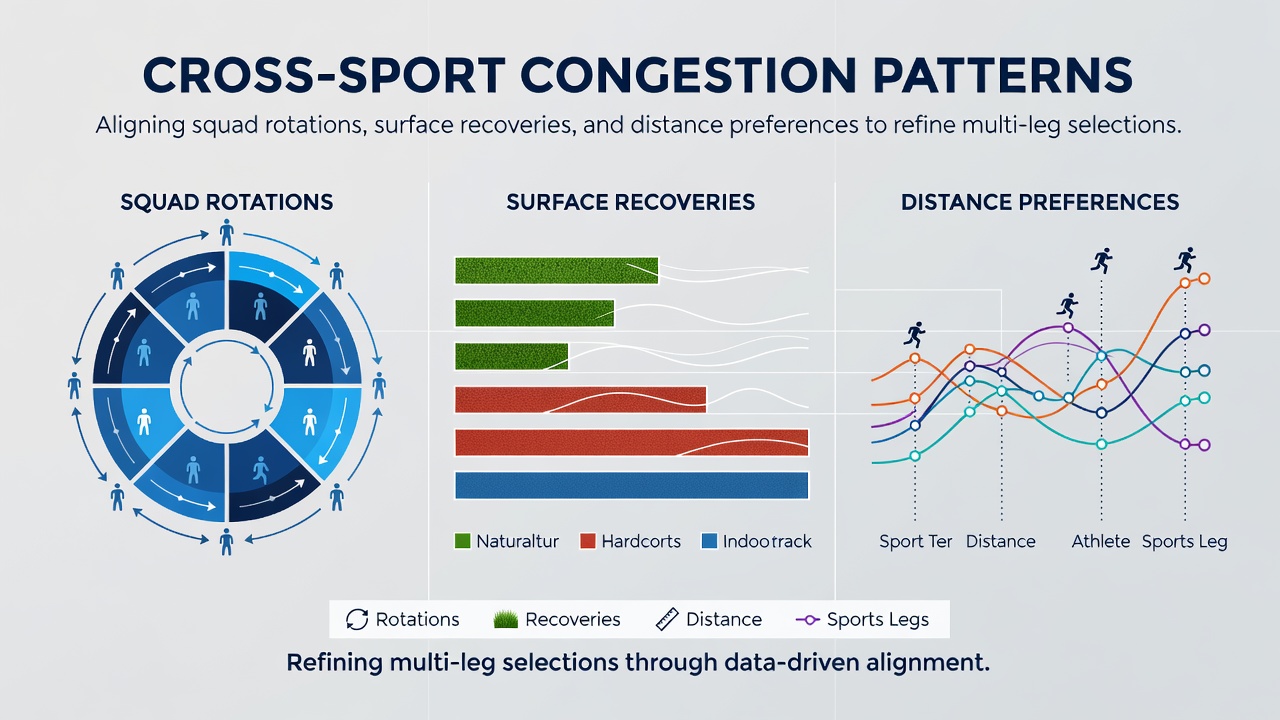
Data from major European leagues shows fixture congestion peaks during December and March windows, when clubs often manage three matches within eight days. Observers note that managers adjust squad rotations accordingly, resting key players to maintain performance levels across campaigns. Similar patterns appear in tennis calendars, where players transition between surfaces within short periods, and in horse racing programs, where trainers select races based on distance suitability after recent outings. Studies from sports science institutions indicate that recovery timelines vary by sport and individual athlete history. In football, back-to-back away fixtures on artificial surfaces can extend muscle recovery by up to 72 hours compared to natural grass. Tennis players face additional variables when moving from clay to grass courts, where footing changes influence movement patterns and fatigue accumulation. Horse racing data reveals that sprinters require different rest intervals than stayers following races exceeding 2000 meters.Squad Rotations and Football Scheduling Overlaps
League schedules in 2026 place several high-profile clubs in congested periods around the FIFA international break in June, creating ripple effects for domestic and European competitions. Analysts tracking player minutes per game find that teams rotating defenders more frequently during midweek fixtures maintain higher clean sheet rates in weekend matches. Those who studied this pattern across multiple seasons report that midfielders logging over 300 minutes in a 14-day span show measurable drops in pass completion percentages.
Coaches balance these demands by monitoring GPS data and heart rate variability, which provide objective markers for readiness. When a squad faces three fixtures in ten days, selective resting of attackers often preserves goal output while protecting overall team structure. Records from the 2025-2026 Premier League season illustrate how clubs that rotated at least four positions per match maintained consistent points-per-game averages despite dense calendars.
Surface Recoveries in Tennis and Transition Effects
Tennis tournaments in early June 2026 include the transition from European clay events to grass-court preparations, compressing recovery windows for players entering multiple events. Data compiled by performance analysts shows that athletes who compete on clay for consecutive weeks exhibit longer adaptation periods when shifting to faster surfaces, with serve percentages stabilizing only after three to four days of specific training.
Recovery protocols documented in player medical reports emphasize individualized rest and physiotherapy schedules. Those who examined match logs from the previous five seasons note that players with prior grass-court experience recover quicker during these transitions than those whose schedules remain clay-dominant. Tournament organizers adjust draw sizes and qualifying rounds partly to accommodate these physiological considerations, affecting availability for later rounds.
Distance Preferences and Racing Form Patterns
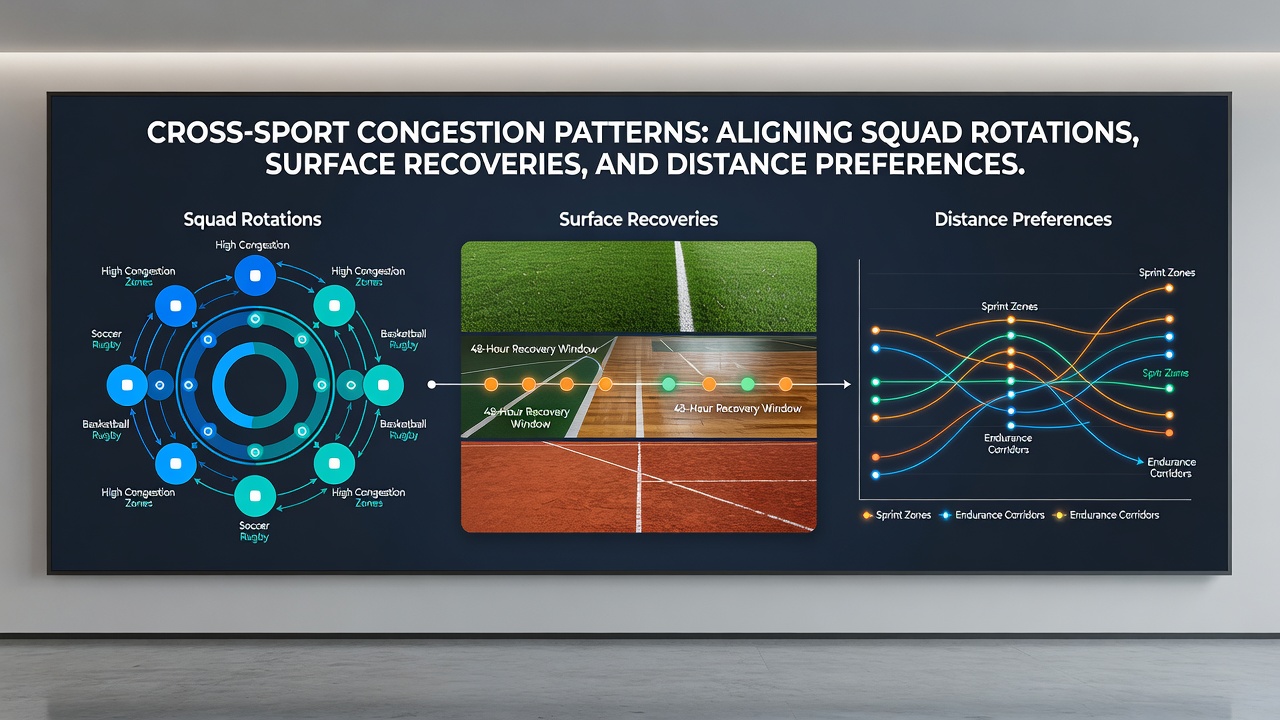
Horse racing programs during June feature a mix of sprint and middle-distance events, requiring trainers to align entries with each animal's established preferences. Form databases indicate that horses returning from distances over 2400 meters typically require 14 to 21 days before performing optimally at sprint trips. Trainers monitor sectional times and recovery heart rates to determine when an entry aligns with current condition.
Research conducted by veterinary and exercise physiology groups highlights how track surface conditions interact with distance history. Horses with proven records on firm ground maintain higher strike rates when rested adequately between outings, whereas those suited to softer conditions show different recovery markers. Meeting secretaries schedule races with these variables in mind, creating fields where distance specialists often carry lower weights to balance competition.
Aligning Factors for Multi-Leg Selections
Betting markets that combine football, tennis, and racing outcomes require consideration of these overlapping schedules and recovery indicators. Data aggregators compile squad news, surface histories, and distance profiles into unified dashboards that highlight potential availability shifts. When a football team rotates heavily ahead of a midweek fixture, related player props in other markets may reflect adjusted expectations.
Those who tracked accumulator performance across multiple sports note correlations between congested periods and variance in outcomes. For instance, tennis matches scheduled immediately after long-haul travel show different point-distribution patterns than standard events. Racing results following rapid surface changes similarly exhibit measurable shifts in favorite success rates. Market models incorporate these variables by weighting recent form against documented recovery timelines rather than relying solely on historical averages.
Regulatory bodies in Australia and Canada publish periodic reports on sports integrity that include scheduling transparency data, which indirectly supports analysis of congestion effects. Academic studies from European universities have examined how fixture density influences injury rates, providing additional context for selection frameworks. These sources supply objective benchmarks that refine multi-leg construction by identifying periods when cross-sport variables align or diverge.
Conclusion
Cross-sport congestion patterns emerge from measurable scheduling overlaps, physiological recovery data, and performance histories across football, tennis, and horse racing. Observers who integrate squad rotation records, surface transition timelines, and distance suitability metrics produce selections that account for these interconnected factors. Continued collection of performance statistics through 2026 will further clarify how these elements interact within multi-leg markets.