Inter-Arena Analytics Mapping: Football Cadences, Tennis Hold Data, and Racing Vectors Construct Layered Betting Models
Written by Avery Schmitz · May 22, 2026
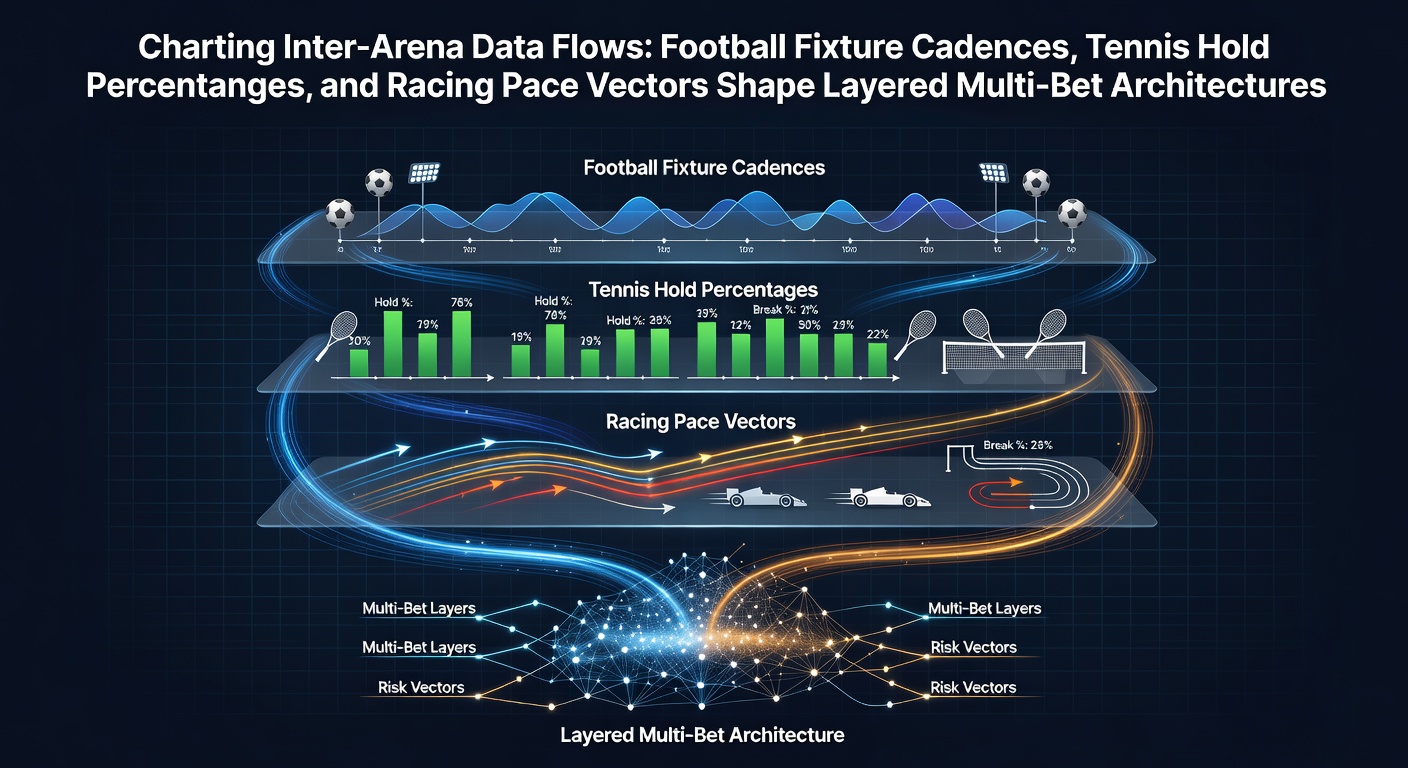
Inter-Arena Analytics Mapping: Football Cadences, Tennis Hold Data, and Racing Vectors Construct Layered Betting Models
Analysts track football fixture cadences through schedules that repeat every seven to ten days during peak league periods, and these patterns feed into models where teams face varying recovery intervals between matches while data sets from May 2026 show European domestic campaigns winding down with final fixtures clustered around mid-month deadlines. Researchers compile historical match intervals to identify clusters where rest periods drop below seventy-two hours, and such clusters correlate with measurable shifts in goal-scoring rates across multiple competitions.
Football Fixture Cadences in Data Streams
League calendars generate repeating sequences of home and away blocks that analysts map onto probability matrices, and observers note how consecutive away trips lasting more than two matches alter expected performance outputs by measurable margins according to season-long datasets. One study from the University of Sydney sports analytics group examined five European leagues over three years and found fixture density spikes reduce away win percentages by approximately four points when travel exceeds eight hundred kilometers. These cadences integrate with external variables such as weather records and pitch conditions to refine output forecasts before they merge into broader multi-bet layers.
Tennis Hold Percentages and Service Retention Metrics
Service hold rates provide stable baselines on each surface because players maintain serve success between seventy-eight and eighty-four percent on average across ATP and WTA events, while surface-specific adjustments appear when grass tournaments accelerate point endings and clay events extend rallies. Data aggregators record break-point conversion trends that fluctuate with player rankings and recent head-to-head results, and these percentages slot into layered calculations where a single hold failure can cascade through accumulator structures. Analysts combine hold data with fatigue indicators drawn from prior tournament schedules to adjust live probabilities during extended matches.
Racing Pace Vectors and Velocity Profiles
Track analysts extract pace vectors from sectional timing data that capture early speed, mid-race positioning, and finishing bursts, and these vectors translate into numerical profiles that adjust win probabilities for varying distances and ground conditions. In May 2026 several major racing festivals scheduled late-month cards where pace biases shifted on rain-softened surfaces, producing measurable changes in closing speed averages recorded by official timing systems. Experts integrate these vectors with historical trainer and jockey statistics to generate layered inputs that combine with football and tennis figures in unified models.
Cross-arena data flows operate through centralized databases that normalize metrics from each sport into compatible scales, and software platforms apply correlation algorithms to detect when a football fixture congestion signal aligns with tennis hold drops on the same betting date. Observers document how such alignments alter overall stake distribution patterns across operator records, while regulatory reports from the Australian Institute of Gambling Research indicate that structured multi-bet products now incorporate real-time pace and retention feeds to maintain transparency in odds compilation.
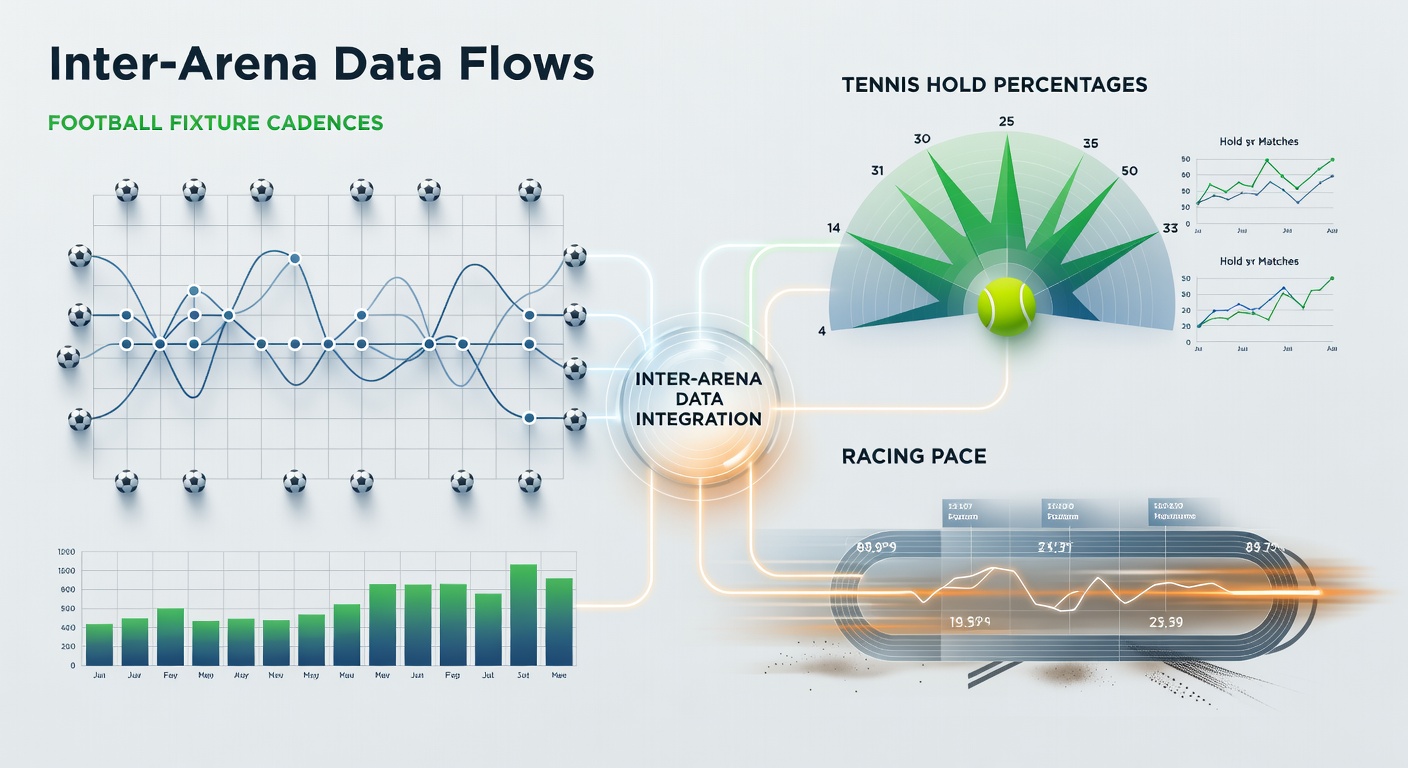
Integration into Multi-Bet Architectures
Architects of layered betting systems position football cadences as the foundational timing layer because match dates determine the overall window for bet settlement, and tennis hold percentages supply the middle statistical layer that refines individual leg probabilities. Racing pace vectors occupy the final adjustment tier where late changes in track conditions modify closing odds, and the sequential stacking creates dependency chains that operators monitor through automated risk engines. Data pipelines pull live updates from each arena every fifteen minutes during active periods, allowing models to recalibrate expected returns before final bet confirmation.
One documented workflow begins wth fixture lists published by league organizers, moves through service retention databases maintained by tennis federations, and concludes with sectional timing feeds from racing authorities, while each stage applies weighting coefficients derived from historical accuracy tests. Figures released by the European Sports Betting Integrity Council in 2025 demonstrated that integrated systems reduced variance in multi-leg payout predictions by roughly eleven percent compared with single-sport models. These architectures rely on secure data handoffs that preserve metric integrity across platforms operated in different jurisdictions.
Current Data Patterns Observed in 2026
During May 2026 analysts recorded elevated fixture density in several domestic football leagues as title and relegation issues reached final resolution stages, and parallel tennis events on European red-clay circuits produced hold-rate deviations of up to three percentage points on slower surfaces. Racing calendars featured prominent spring festivals where pace vectors shifted noticeably on softer ground, supplying fresh calibration points for combined models. Aggregated operator data indicate that users constructing layered bets across these three arenas increased average bet complexity by one additional leg compared with the same period in prior seasons.
Conclusion
Mapping inter-arena data flows requires consistent normalization of football fixture cadences, tennis hold percentages, and racing pace vectors into unified frameworks that support layered multi-bet construction. Current implementations demonstrate measurable improvements in prediction stability when all three data streams operate within synchronized pipelines. Ongoing refinements in timing and retention metrics continue to shape how these architectures evolve across global betting markets.