Merging Preview and Live Data Streams for Strategic Selections in Football, Tennis, and Horse Racing
Written by Avery Schmitz · Aug 7, 2026
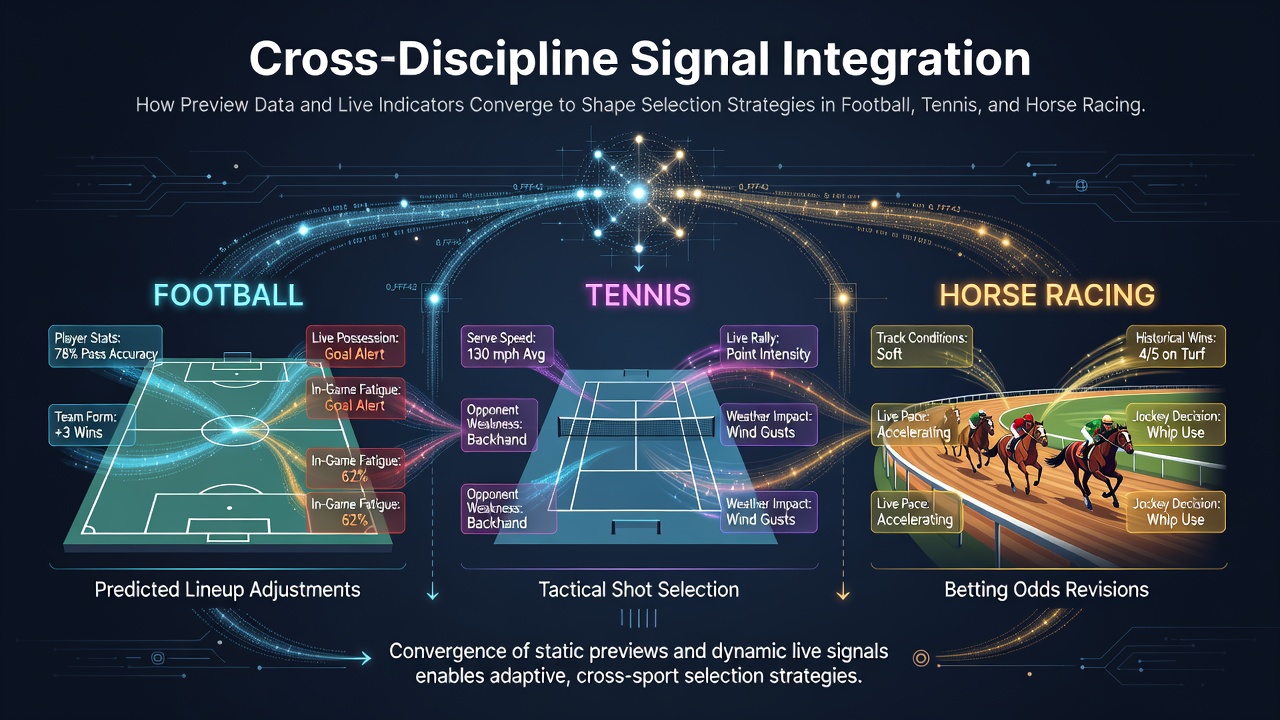
Merging Preview and Live Data Streams for Strategic Selections in Football, Tennis, and Horse Racing
Preview data sets the initial framework for selections in football, tennis, and horse racing, while live indicators adjust those frameworks in real time, and the convergence of both creates layered decision points that shape outcomes across the three disciplines. Analysts compile historical performance records, injury reports, and surface-specific metrics weeks ahead of events, yet those same analysts monitor momentum shifts, pace adjustments, and in-event variables once competition begins, which produces a continuous feedback loop rather than two isolated phases.
Preview Foundations Across Disciplines
Football squads release squad lists and training reports that feed into models tracking expected goals, set-piece efficiency, and travel fatigue, whereas tennis players publish head-to-head logs and surface win percentages that inform serve-hold probabilities before a tournament draw is even released. Horse racing form guides detail recent finishing positions, track conditions, and trainer strike rates that establish baseline odds weeks before race day, and data from these sources remains fixed until the first live updates arrive. Observers note that August 2026 schedules already show early Premier League fixtures overlapping with the US Open tennis schedule and several major summer racing festivals, which forces analysts to maintain parallel preview databases rather than sequential ones.
Live Indicators Enter the Equation
Once matches or races start, fresh variables override or reinforce the preview layers. In football, real-time expected goal differentials and substitution patterns alter the probability matrix that preview models produced, while tennis live-score feeds track break-point conversion rates and rally lengths that deviate from pre-tournament averages. Horse racing broadcasts supply sectional times and in-race position data that update finishing probabilities every few seconds, and these live feeds arrive through timing chips, camera systems, and official stewards' reports. The result is a rolling recalculation where preview baselines serve as anchors rather than final answers.
Cross-Discipline Integration Patterns
Analysts working across all three sports often build unified dashboards that import preview files from multiple sources and then overlay live data streams from official timing partners. A single platform might ingest football league tables, tennis ATP rankings, and horse racing official ratings into one interface, after which live odds movements or performance telemetry trigger alerts that flag when a selection's implied probability has shifted beyond a preset threshold. Research from the University of Nevada Las Vegas International Gaming Institute indicates that operators using multi-sport data layers report higher consistency in selection accuracy during overlapping summer calendars, and similar patterns appear in reports issued by the Australian Gambling Research Centre.
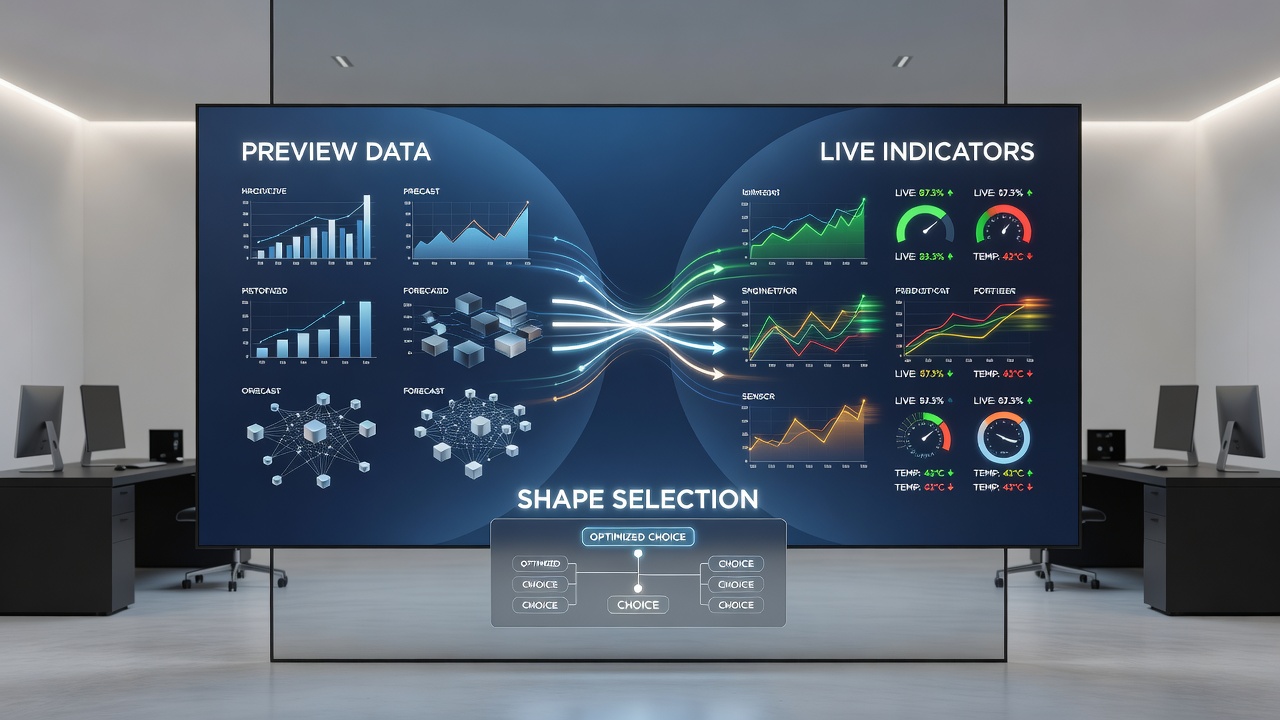
August 2026 Calendar Pressures
The August 2026 window compresses timelines because football pre-season friendlies give way to competitive fixtures at the same moment tennis hard-court swing begins adn several Group 1 horse races cluster on consecutive weekends. Preview data compiled in July must therefore accommodate last-minute squad rotations, weather-driven track changes, and player withdrawals that only surface days before events, while live indicators arrive at higher frequency because multiple time zones overlap. Those who manage selections across the three sports therefore schedule data refreshes at shorter intervals, and the integration process becomes more iterative than linear.
Selection Strategy Adjustments
When preview models flag a football side with strong recent form yet live sensors detect elevated sprint distances early in a match, analysts may reduce exposure or shift to alternative selections within the same fixture. In tennis, a player whose preview serve statistics look dominant can see those numbers revised downward after the first set reveals slower court speeds, prompting adjustments before the next match begins. Horse racing selections that rely on preview pace figures often receive final confirmation or rejection once the first furlong sectional times appear, and the same logic applies when multiple disciplines run simultaneously on a single betting day. The common thread remains the continuous reconciliation of fixed preview inputs with variable live outputs.
Conclusion
Preview data supplies the structural baseline, live indicators supply the dynamic corrections, and the deliberate merging of both produces selection strategies that adapt across football, tennis, and horse racing without discarding earlier information. August 2026 illustrates the pattern at scale because overlapping calendars force analysts to maintain parallel data pipelines that update in unison, and the resulting convergence continues to define how selections evolve from initial research through final confirmation.