Precision Bankroll Adjustments: How Variance Controls Merge Pre-Event Data With Real-Time Shifts in Multi-Sport Daily Plays
Written by Jakob Roth · May 17, 2026
Precision Bankroll Adjustments: How Variance Controls Merge Pre-Event Data With Real-Time Shifts in Multi-Sport Daily Plays
Analysts in the betting analytics field track variance as a core metric that measures how far actual results deviate from expected outcomes across daily selections in football, tennis and horse racing, and this approach becomes especially relevant during the packed May 2026 fixture calendar that features overlapping European league finales, ATP and WTA clay-court swings plus major spring racing festivals.
Defining Variance Controls in Multi-Sport Contexts
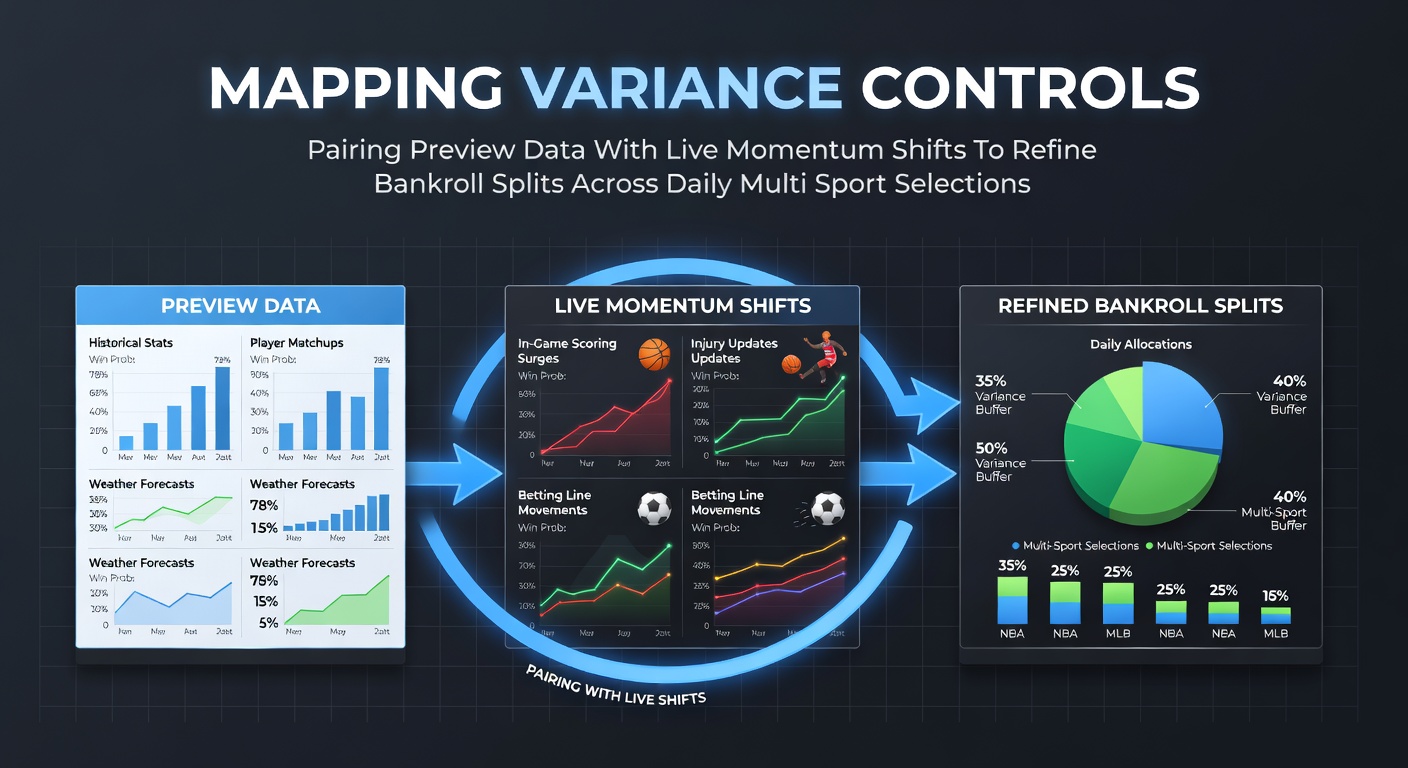
Variance controls operate by quantifying the statistical spread of results so that bankroll allocations can adjust before and during events, while preview data supplies baseline probabilities derived from historical form, head-to-head records and venue statistics that set initial split percentages across selected markets. Researchers at the University of Las Vegas International Gaming Institute have documented how these controls reduce exposure when live momentum indicators such as in-play goal rates, break-point conversion trends or sectional pace changes signal departures from pre-match models.
Those who monitor daily multi-sport portfolios note that variance spikes most sharply in tennis sets and horse racing sprints because small sample sizes amplify outcome swings, whereas football accumulators tend to show steadier distributions when fixtures cluster on weekends; pairing these patterns with preview-derived probabilities allows proportional adjustments that keep overall exposure within predefined daily limits.
Pairing Preview Data With Initial Bankroll Splits
Preview datasets typically incorporate league position, recent goal differentials, surface-specific win percentages and trainer-jockey combinations that feed into algorithmic forecasts, and these forecasts translate directly into percentage allocations where higher-confidence selections receive larger portions of the daily bankroll while lower-confidence ones receive smaller slices that cap potential drawdowns. Observers note that in May 2026 the concentration of simultaneous events across continents demands tighter preview scrutiny because travel fatigue, weather variables and schedule congestion introduce additional layers of uncertainty that variance formulas must capture.
Live Momentum Integration for Dynamic Refinements
Once events commence, momentum tracking tools capture real-time deviations such as unexpected service holds, pace pressure in the final furlong or defensive lapses that shift implied probabilities, and these shifts trigger automatic recalculations that move funds between active bets or into reserve positions. Data from multiple European betting exchanges shows that rapid momentum detection during the first set of tennis matches or the opening laps of a race meeting allows bankroll managers to protect capital without halting all activity, while the same signals applied to football halves help preserve portions of the daily allocation for later opportunities.
Systems that combine both preview baselines and live feeds create a feedback loop where initial splits evolve continuously; for example, a football selection that begins with a 25 percent allocation might drop to 15 percent after an early red card yet recover if subsequent defensive adjustments stabilize the match state. This fluid approach contrasts with static allocation models that leave bankrolls exposed when conditions change rapidly across parallel sports.
Practical Application Across Daily Selections
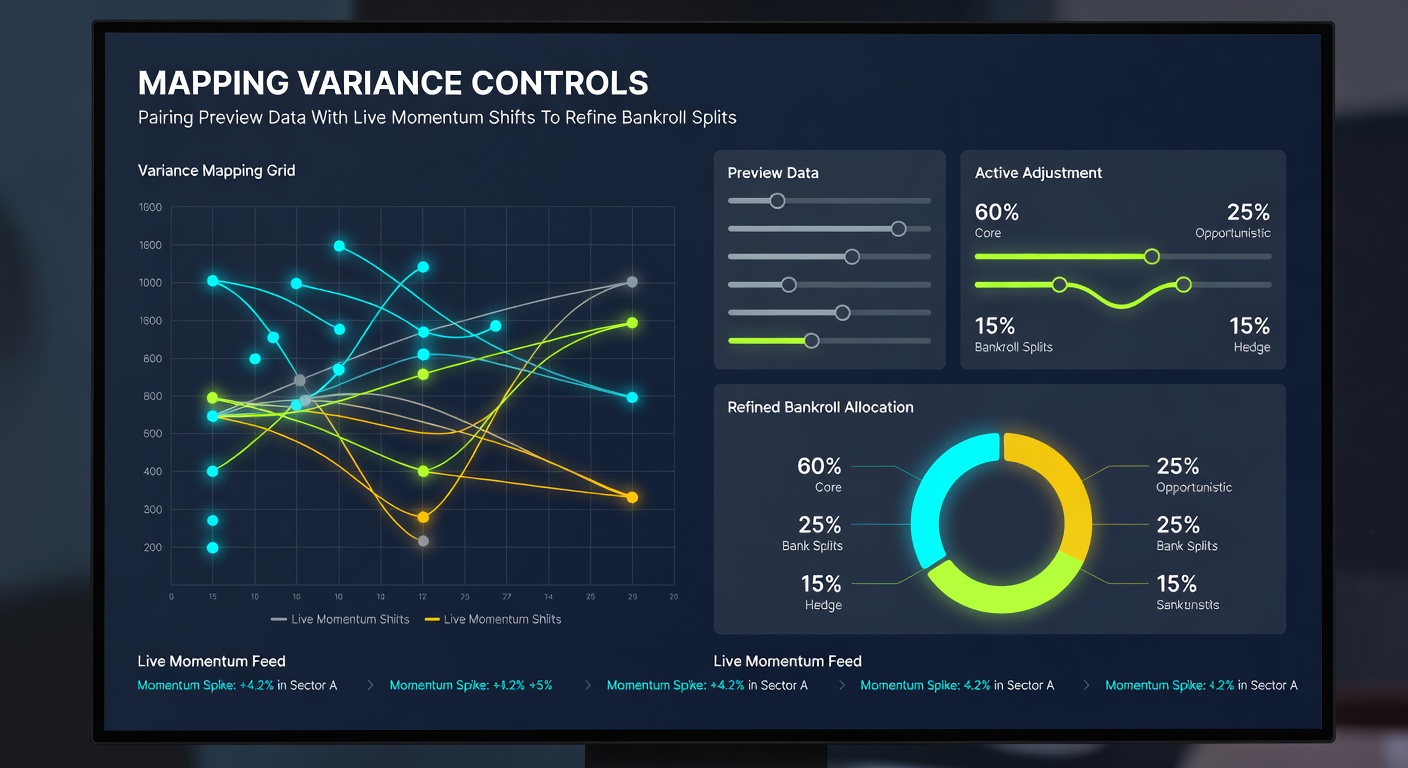
Daily multi-sport operators who apply variance mapping typically begin each morning by loading preview aggregates for the full slate, then establish tiered bankroll bands that reflect both expected value and variance estimates, and these bands tighten or expand as live feeds update every few minutes. Case examples from professional syndicates reveal that during high-volume May periods the method frequently reallocates 10 to 20 percent of remaining capital between sports when one market exhibits outlier momentum while another stabilizes.
Industry reports compiled by the Australian Institute of Gambling Research indicate that operators using integrated preview-live systems record lower peak-to-trough drawdowns compared with those relying solely on pre-event data, because the continuous variance recalibration prevents over-commitment during sudden momentum reversals. The same reports highlight that tennis and racing markets benefit most from these adjustments because their shorter event durations compress the window for corrective action.
Technical Components of Variance Mapping Tools
Modern variance mapping platforms ingest structured datasets from multiple sports simultaneously, apply weighted statistical models that account for sample size differences, and output suggested bankroll percentages that update via application programming interfaces connected to live data streams. Users configure tolerance thresholds so that only statistically significant momentum shifts trigger reallocations, thereby avoiding unnecessary adjustments caused by normal in-game noise.
Integration with third-party probability engines further refines outputs by cross-referencing historical variance curves for specific leagues, tournaments and track conditions, which proves especially useful when May schedules compress multiple high-variance events into single days. Those who maintain these systems emphasize the importance of audit trails that log every allocation change, allowing later review of how preview accuracy and live detection combined to protect capital.
Conclusion
Variance mapping that pairs preview data with live momentum shifts supplies a structured method for refining bankroll splits across daily multi-sport selections, and its adoption continues to grow as fixture calendars become denser and data feeds more granular. The approach delivers measurable reductions in exposure when applied consistently, particularly during periods such as May 2026 when overlapping competitions heighten outcome variability. Continued refinement of these controls through expanded datasets and faster integration remains the focus for analysts seeking stable allocation frameworks in evolving betting environments.