Seasonal Trends Fuse with Live Adjustments to Build Stronger Multi-Event Betting Models
Written by Paul Schmitz · Jul 17, 2026
Seasonal Trends Fuse with Live Adjustments to Build Stronger Multi-Event Betting Models
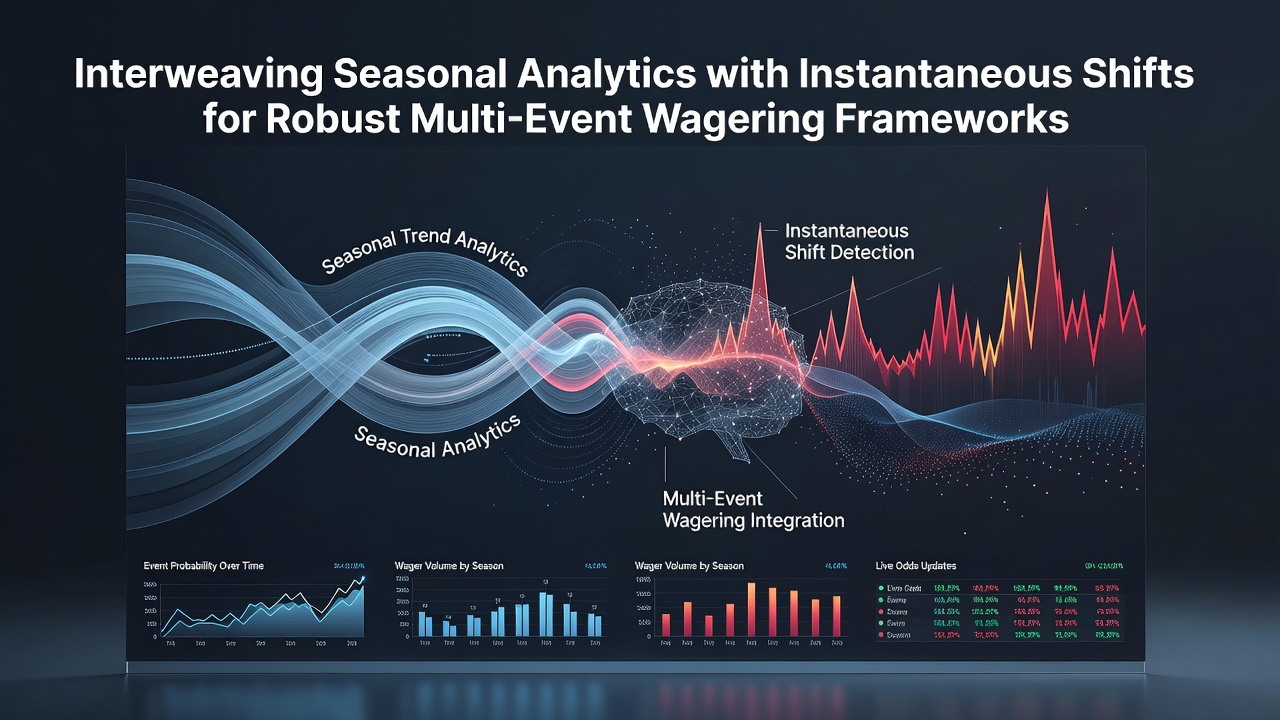
Seasonal analytics draw on years of league performances, tournament histories and racing form patterns while instantaneous shifts capture sudden changes in player fitness, weather impacts and in-play momentum during live events, and together these layers create frameworks that support multi-event wagering across football, tennis and horse racing calendars.
Understanding the Core Components
Seasonal data sets track recurring cycles such as European football campaigns that run from August through May, tennis grand slams that cluster in specific months and horse racing festivals that follow annual calendars, whereas instantaneous inputs include point-by-point score updates, live odds movements and last-minute team news that arrive during matches or races. Observers note that platforms processing both data streams allow bettors to adjust accumulator selections when a key variable changes mid-event, and this combination reduces reliance on static pre-match predictions alone.
Application Across Sports in Mid-2026
By July 2026 the football season has entered its off-period in many leagues yet pre-season friendlies and transfer windows generate fresh seasonal baselines, while Wimbledon fortnight brings daily tennis matches that produce rapid scoreline swings and several major horse racing meetings occur across the UK and Ireland offering sprint and staying races with variable ground conditions. Data from regulatory reports issued by bodies such as the Nevada Gaming Control Board show increased live betting volumes during these overlapping periods, and frameworks that merge historical July performance averages with real-time court speed readings or track bias updates help structure accumulators that span all three sports.
Building the Framework Step by Step
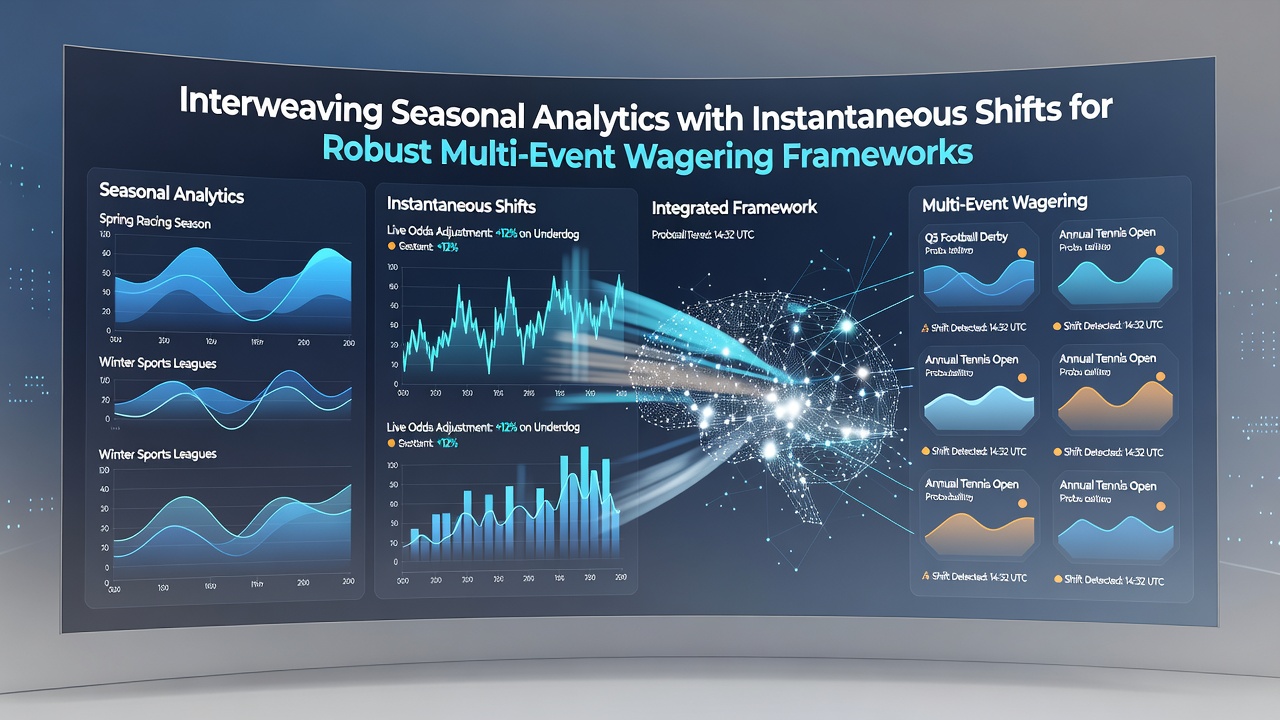
Analysts begin by compiling seasonal metrics that include home and away goal differentials, surface-specific win percentages in tennis and trainer strike rates at particular tracks, after which they layer live feeds that monitor serve percentages, pace figures and in-running odds. When a tennis player drops a set or a football side receives an early red card the model recalibrates the probability attached to that leg of the accumulator while preserving the seasonal context that shaped the original selection, and the same process applies when a horse racing favourite drifts in the betting ring due to late market moves.
Case Examples from Recent Seasons
One documented approach used league momentum tables from the previous campaign alongside live expected goals models during matches, and researchers at the University of Sydney published findings indicating that such combined inputs improved outcome forecasting accuracy during multi-leg bets. Another instance involved tennis players with strong seasonal records on grass who faced sudden rain delays, prompting immediate adjustments to set-win probabilities based on historical wet-weather data, while horse racing examples show jockey changes announced minutes before the off that altered place probabilities within an accumulator containing football and tennis selections.
Technical Integration Methods
Software systems pull seasonal archives through APIs and merge them with streaming data services that update every few seconds, after which algorithms assign weighted values to each input so that a long-term trend carries less influence once live conditions diverge sharply. Industry organisations such as the European Gaming and Betting Association have published guidelines on data transparency that encourage operators to disclose which sources feed these models, and users who review those disclosures can better understand how seasonal baselines interact with instantaneous triggers.
Risk Considerations and Data Sources
Frameworks remain subject to variance because even robust seasonal patterns can be disrupted by unforeseen injuries or equipment failures, and instantaneous data streams occasionally contain brief latency that affects real-time recalculations. Reports from the Australian Communications and Media Authority highlight the importance of clear disclosure around automated betting tools, and those who study the documentation gain clearer insight into how different data layers are prioritised within multi-event systems.
Conclusion
Seasonal analytics supply the structural backbone while instantaneous shifts provide the responsive adjustments that together support more adaptable multi-event wagering frameworks across football, tennis and horse racing, and continued development of integrated data pipelines keeps these models aligned with evolving schedules and market behaviours.