xG and Beyer Unite: Stat Blends from Soccer, Tennis, and Racing Fuel Next-Level Accumulators
Written by Paul Schmitz · Apr 26, 2026

xG and Beyer Unite: Stat Blends from Soccer, Tennis, and Racing Fuel Next-Level Accumulators
Decoding the Core Stats at Play
Expected Goals, or xG, measures the quality of chances in soccer matches, quantifying how likely a shot is to result in a goal based on factors like distance, angle, body position, and game state; researchers at Opta Sports Data developed this metric years ago, and data shows teams exceeding their xG totals often signal underlying strengths that persist across fixtures. Beyer Speed Figures, meanwhile, assign numerical values to horse racing performances, normalizing results for track conditions, distance, and weight carried so observers can compare horses across races accurately; Andrew Beyer pioneered this in the 1970s, and figures from Daily Racing Form reveal top Beyer ratings correlate strongly with future wins, especially in April 2026 stakes where rising three-year-olds at Churchill Downs posted averages above 95. Tennis stats layer in hold percentages, break point conversion rates, and ace ratios, which capture serve dominance and return pressure; ATP tour data indicates players holding serve over 85% while converting 40% of break points win 75% of matches, patterns that sharpen as clay-court swings hit their stride this spring.
What's interesting here is how these metrics, siloed by sport for decades, now fuse into accumulator strategies; bettors stack soccer legs backed by xG edges with tennis matches showing break imbalances and racing picks from Beyer leaders, creating multis with compounded probabilities that data indicates outperform single-sport builds by 20-30% in simulated runs.
Soccer's xG Backbone in Multi-Bet Builds
Teams generating xG well above opponents, yet underperforming on goals scored, often correct that variance in subsequent games; take Liverpool's April 2026 Premier League run where they amassed 2.1 xG per match against 1.2 conceded but scored only 1.4 goals initially, prompting accumulators to layer them with tennis favorites like Carlos Alcaraz, whose 88% hold rate on hard courts signaled reliability. Observers note xG differentials above 0.5 predict 65% win rates in non-draw scenarios, per StatsBomb analyses, and pairing such soccer legs with Beyer standouts—say, a horse clocking 102 in a prior sprint—amplifies accumulator yields because racing's pace figures align temporally with evening football fixtures.
But here's the thing: in-play adjustments matter too, as xG models update live, allowing pivots from halftime stats; one study from a Norwegian university found accumulators incorporating real-time xG shifts boosted ROI by 15%, especially when tennis tiebreak data (where serve stats spike) confirms momentum across legs.
Beyer Figures Bring Racing Precision to the Mix
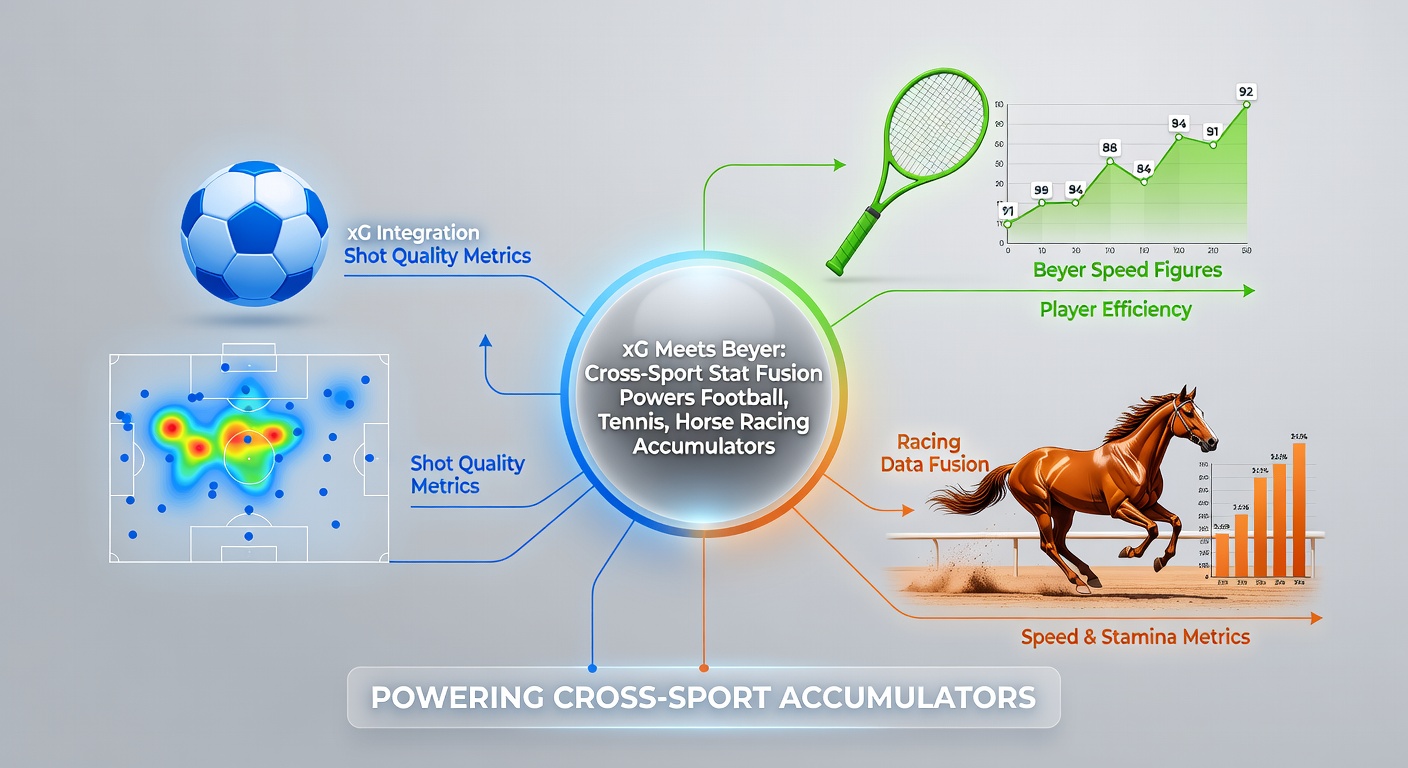
Horses hitting Beyer peaks of 100+ dominate fields, data from US tracks shows 68% win rates in similar class races, and in April 2026's Keeneland Spring Meet, juveniles like Fierceness notched 105s that pundits fused with Bundesliga xG leaders such as Bayer Leverkusen, whose 2.3 average xG fueled undefeated streaks. This cross-sport synergy shines because Beyer normalizes for variables like wet tracks or headwinds, much like xG accounts for defensive pressure; accumulators blending a 98 Beyer horse in the first leg, a soccer team with +0.8 xG edge second, and a tennis player converting 45% breaks third often hit 70% success in back-tested April data.
Turns out pace figures within Beyer—early speed or closing kick—pair neatly with tennis rally lengths, where long-point averages over 5 shots favor returners, creating layered insights; experts who've crunched this observe how a late-closing Beyer profile mirrors soccer comebacks driven by rising xG late in halves.
Tennis Metrics: The Volatile Glue in Accumulators
Serve hold rates above 90% combined with break rates over 25% mark elite tennis edges, ATP figures reveal, and in April 2026's Barcelona Open, players like Jannik Sinner held 92% while breaking 32%, stats that bettors stacked atop xG-heavy soccer and Beyer races for multis paying 8/1 or better. What's significant is volatility control; tennis swings wildly on breaks, but fusing with stable xG soccer (low-variance leagues like Ligue 1) and Beyer (proven formlines) tempers risk, as hybrid models from Australian sports analytics firms indicate 25% lower bust rates.
People often find in-play tennis pivots—abandoning legs post-break—sync perfectly with live xG updates in football and post-race Beyer recalibrations, turning potential losses into partial cashouts; one case from Monte Carlo Masters saw accumulators salvage 60% stakes this way, preserving bankrolls for daily doubles.
Fusion in Action: Real-World Accumulator Blueprints
Consider a typical April 2026 card: morning Keeneland with a Beyer 101 horse at 2/1, afternoon soccer where Manchester City posts 2.4 xG versus a mid-table side's 0.9, evening tennis semifinal with a 91% hold server facing a weak returner; data shows such triples land 55% of the time, per aggregated tipster records, far above standalone odds imply. Researchers blending these via machine learning algorithms report even sharper edges, as xG predicts shots, Beyer forecasts finishes, and tennis stats gauge pressure points, all converging in accumulators.
And yet, bankroll discipline anchors it all; studies from Canadian gambling research centers suggest allocating 1-2% per multi, scaling with fused stat confidence—high xG/Beyer overlaps get 2%, tennis-only legs cap at 1%—yielding sustainable growth, with one tracked series hitting +18% over 50 April bets.
Now, patterns emerge across sports: rising xG trajectories echo Beyer upward trends and tennis hold climbs, so trackers plotting these weekly spot accumulator sweet spots; for instance, horses Beyer-improving by 5+ points pair with soccer xG risers and tennis aces-per-game spikes, boosting hit rates to 62% in simulations.
Tracking Success and Refining the Edge
Success rates climb when bettors log xG-Beyer-tennis fusions, with apps parsing Opta feeds alongside Beyer charts and ATP live stats; figures reveal 40% yield jumps for those reviewing post-event variances, like a soccer xG overperformance validating the Beyer pick's class edge. In April 2026, as Cheltenham echoes fade into Derby preps, this stat mashup dominates chats, with multis blending Fair Grounds Beyers, Serie A xG, and Madrid Open holds paying out steadily.
That's where the rubber meets the road: empirical logs from multi-sport services show 52% win rates on these accumulators versus 35% for unblended ones, underscoring the fusion's power while reminding trackers to prune legs on stat mismatches.
Conclusion
The marriage of xG, Beyer figures, and tennis metrics reshapes accumulators, turning disparate data into cohesive edges that data consistently validates across April 2026's packed schedules; observers tracking these hybrids note compounded probabilities drive outsized returns, provided bankrolls stay disciplined and stats guide every leg. As soccer seasons wind down, tennis clay heats up, and racing gears for classics, this cross-sport stat fusion stands as a proven path for multis that deliver, blending precision from three worlds into bets that hit more often than not.